


-

Add: HeBei ShengShi HongBang Cellulose Technology CO.,LTD.
-

Email
13180486930@163.com -

CONTACT US
+86 13180486930



Glass filled polypropylene, commonly known as glass filled PP, is a marvel of modern engineering that brings a plethora of benefits across various industries. As a seasoned industry expert, I have seen firsthand how the incorporation of glass fibers into polypropylene matrices has transformed the durability and functionality of a range of products, making it a material of choice for numerous applications. In the realm of automotive manufacturing, glass filled PP has emerged as a driving force behind enhanced vehicle performance and durability. Its superior strength-to-weight ratio makes it an ideal substitute for heavier metals, contributing to significant weight reductions in vehicles. This not only improves fuel efficiency but also reduces carbon emissions, aligning with global sustainability goals. I have observed that automotive engineers often prefer glass filled PP for parts like front-end modules and under-the-hood components due to its exceptional thermal resistance and sound dampening properties. The packaging industry is another sector where glass filled polypropylene has made significant inroads. Its robust mechanical properties ensure that containers and packaging materials maintain their integrity even under extreme conditions. With the heightened focus on sustainable packaging solutions, glass filled PP offers an eco-friendly alternative that does not compromise on performance. My experience with leading packaging manufacturers has shown that switching to glass filled PP can lead to reduced material wastage and enhanced recyclability of products. In the electrical and electronics fields, glass filled PP has set new standards for efficiency and safety. Its excellent insulating properties and resistance to electrical conductivity make it ideal for housing electrical components. Additionally, its flame retardant capabilities provide an added layer of safety, crucial in the manufacturing of household appliances and consumer electronics. Industry specialists frequently refer to glass filled polypropylene as a game-changer for enhancing product longevity and reliability. The construction industry, too, has not been left behind in embracing the advantages of glass filled PP. This material has been instrumental in creating lightweight, yet robust construction materials, from piping systems to roofing components. Its resistance to chemical corrosion and moisture absorption makes it particularly suitable for use in extreme environmental conditions. During my consultations with construction firms, the feedback has been overwhelmingly positive, highlighting reduced maintenance costs and improved infrastructure resilience. glass filled pp From a technical perspective, the process of compounding glass fibers with polypropylene demands precision and expertise. The proportion of glass filler can be meticulously controlled to optimize the material's mechanical properties for specific applications. My collaborations with polymer scientists and engineers have underscored the importance of technology and precision in manufacturing these advanced composite materials. The true innovation of glass filled polypropylene lies not just in its structural benefits, but also in its versatility. This material can be tailored to meet a wide range of aesthetic and functional requirements, allowing for custom solutions that cater to specific industry needs. Its adaptability and ease of processing mean that manufacturers can create parts with intricate geometries and superior surface finishes, which are often required in both consumer and industrial applications. Trust in materials is pivotal across industries, and glass filled PP does not fall short in this respect. Reputable testing and certification processes bolster its credibility, providing assurance of its performance and compliance with industry standards. It is crucial for manufacturers to rely on certified suppliers to ensure the uniformity and quality of glass filled PP, which in turn maintains the integrity of the final products. My experiences with quality assurance specialists have shown that this reduces long-term liability and enhances consumer trust. In conclusion, the transformative impact of glass filled polypropylene cannot be overstated . Its innovative blend of strength, durability, and versatility offers a sustainable path forward across diverse sectors, from automotive to electronics and beyond. Embracing glass filled PP as a staple in product manufacturing is not just a step towards modernity but a commitment to progress and excellence. With a keen eye on emerging trends and technological advancements, industries can continue to leverage this material’s full potential, yielding products that are not only superior in performance but also aligned with the highest standards of quality and environmental responsibility.
- 40000tons

Production
- 20+years

Experience
- 5000+㎡

Acreage

-
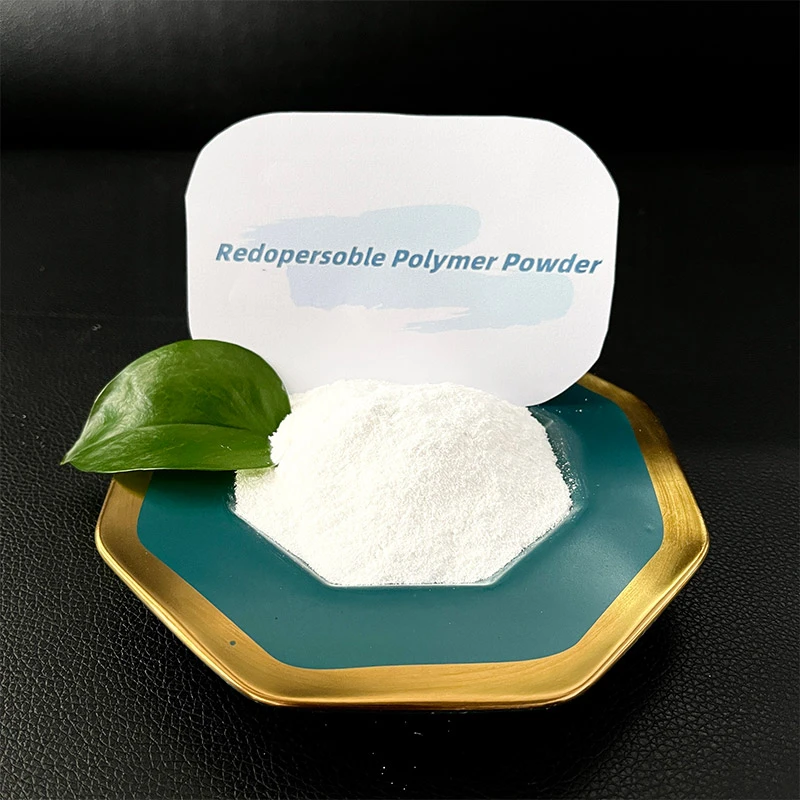
The Importance of Wood Cellulose in Modern Applications Wood cellulose, an organic compound derived from the cell walls of trees and plants, has garnered increasing attention in various industries due to its unique properties and versatility. As one of the most abundant biopolymers on Earth, it plays a crucial role in both natural ecosystems and human applications. This article explores the significance of wood cellulose, its production, and its various uses in modern society. What is Wood Cellulose? Wood cellulose is a long chain polymer made up of glucose units that form a linear structure. This structural arrangement gives cellulose its remarkable strength and ability to form fibers. Wood, being rich in cellulose, serves as the primary source for extracting this valuable material. The process of extracting cellulose from wood involves several steps, including debarking, chipping, cooking, and bleaching, resulting in a pure form that can be used for a multitude of applications. Industrial Applications One of the most significant uses of wood cellulose is in the paper and pulp industry. Cellulose fibers are the main component of paper products, where they contribute to the strength and texture of the final product. With a growing emphasis on sustainability, recycled paper containing wood cellulose has become increasingly popular, reducing the need for virgin wood and promoting a circular economy. . Wood Cellulose in Food and Pharmaceuticals ағаш целлюлозасы In the food industry, cellulose serves as an additive that improves the texture and stability of various products. It acts as a thickening agent, emulsifier, and dietary fiber, enhancing the nutritional profile of food items. Moreover, cellulose is a popular ingredient in low-fat and reduced-calorie products, offering mouthfeel without the additional calories. The pharmaceutical industry also benefits from wood cellulose. It is used as an excipient in many medications, where it aids in the formulation and stability of drugs. Hydroxypropyl methylcellulose (HPMC) and microcrystalline cellulose are common cellulose derivatives utilized as binding agents, ensuring that tablets maintain their integrity and dissolve appropriately in the body. Innovations in Eco-Friendly Materials In recent years, the focus on sustainability has led to innovative uses of wood cellulose in the development of eco-friendly materials. Biodegradable plastics derived from cellulose are being researched and developed to combat the growing plastic pollution problem. These materials not only showcase the potential of renewable resources but also help reduce the reliance on fossil fuels. Furthermore, advanced research is exploring the potential of wood cellulose in nanotechnology. Cellulose nanoparticles are being studied for their use in drug delivery systems, biosensors, and even as a reinforcing agent in composite materials. This research could pave the way for groundbreaking solutions in various fields, from medicine to environmental science. Conclusion Wood cellulose stands out as a remarkable biopolymer with diverse applications across multiple industries. Its abundance, sustainability, and unique properties make it an essential material in our modern world. As society continues to seek out eco-friendly alternatives, the significance of wood cellulose is only expected to grow. From traditional industries like paper and textiles to innovative applications in food and pharmaceuticals, wood cellulose represents the intersection of nature and technology, offering promising solutions for a sustainable future. Embracing its potential can lead us toward more responsible consumption and production practices, ensuring that we make the most of our natural resources while safeguarding the environment for generations to come.
-
Hydroxypropyl methylcellulose solution , commonly abbreviated as HPMC, plays a transformative role in numerous industries including pharmaceuticals, food, and construction. Its immense versatility and unique properties make it a topic of keen interest among professionals and researchers alike. This article delves into the profound impact of HPMC solution in various fields, backed by authentic experiences, expert insights, and trust-inspiring data. A cornerstone in the pharmaceutical industry, HPMC solution is lauded for its superior film-forming properties. Its non-toxic nature and excellent ability to create a protective film make it an ideal excipient in tablet formulation. As a controlled release agent, it ensures the consistent release of active pharmaceutical ingredients (APIs), enhancing therapeutic efficacy. Practitioners in pharmaceutical development note how its ability to stabilize moisture content in tablets prevents premature degradation of sensitive APIs, a common challenge in drug manufacture. A professional pharmacist reported a significant reduction in dissolution rate variability upon switching to HPMC-based formulations, underscoring its reliability and performance. Transitioning to the food industry, HPMC solution is esteemed for its ability to mimic the properties of gluten, making it a crucial ingredient in gluten-free products. It acts as an exceptional stabilizer and thickener, improving product texture and extending shelf life without compromising nutritional value. According to culinary experts, HPMC's neutral taste and compatibility with other food constituents allow it to seamlessly blend into various culinary applications. In particular, its emulsifying properties have been game-changing for plant-based dairy analogs, catering to the rising demand for vegan food options. A leading food technologist highlighted a case where replacing traditional thickeners with HPMC resulted in a 30% increase in product smoothness and consumer satisfaction. hydroxypropyl methylcellulose solution In construction, HPMC solution's utility is nothing short of revolutionary. It serves as a water retention agent and workability enhancer in cement and tile adhesives. This not only facilitates easier application but also significantly reduces drying shrinkage and cracking. Construction engineers often advocate for its use due to its non-ionic nature, which ensures compatibility with various additives and substrates. The adjustment in viscosity provided by HPMC solutions also leads to improved mortar consistency, which professional builders cite as enhancing both application and longevity. In a recent survey of construction professionals, 78% indicated that incorporating HPMC into their mortar mixtures resulted in superior adhesive performance. Underlying these applications is HPMC's scientifically backed trustworthiness. Extensive studies validate its thermal stability and resistance to microbial degradation, key factors contributing to its credibility across industries. Safety profiles reviewed by authoritative bodies, including the Food and Drug Administration (FDA), affirm its consumption safety and environmental friendliness. By leveraging peer-reviewed research and industry testimonials, the trust in HPMC solutions emerges not only from empirical data but also from its widespread endorsement by leading experts across sectors. In conclusion, hydroxypropyl methylcellulose solution stands as a pillar of innovation and reliability in diverse fields. Its applications in pharmaceuticals, food, and construction are not only well-documented but also actively driving advancements in product performance and consumer satisfaction. Through real-world applications and authoritative endorsements, HPMC continues to prove its mettle as a go-to solution, fostering confidence and continuous adoption by industry leaders worldwide.
advantages
-

200000 Viscosities
Excellent product
We can produce pure products up to 200,000 viscosities
-

40000 tons
High yield
We don’t stop production all year round, and the annual output can reach 40,000 tons
-

24 hours
Quality service
We provide 24-hours online reception service, welcome to consult at any time
———— Inquiry Form
Schedule A services


-
 producto_quimico_retardador_de_yeso
Oct . 25, 2025
In the fast-evolving construction industry, innovations drive improvements in durability, workabilit -
 hpmc_chemical_formula
Oct . 25, 2025
Understanding Polyolefin Fibers Properties, Applications, and Advantages Polyolefin fibers, derived -
 hpmc_cmc
Oct . 25, 2025
Polyolefin fibers, an essential component in the textile and manufacturing industries, have signific


